You can estimate a gemstone’s value before you buy it. Identify the stone, check its quality and treatment, note its carat weight, and compare it with similar stones. The result is an estimate, not a guaranteed price and not a professional appraisal.
Seller prices are often inconsistent. Two stones of the same weight can differ hugely in value. This guide shows how to work out a fair range, and how a gemstone price calculator can support that process.
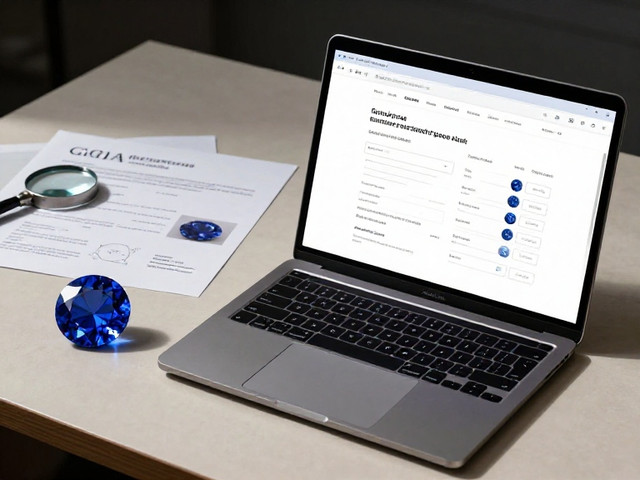
How Do You Estimate the Value of a Gemstone?
Estimate gemstone value in seven steps: identify the gem, confirm it is natural, find its weight, grade its quality, check treatments, verify origin only if evidence exists, and compare it with similar stones.
- Identify the species and variety. A sapphire and a blue topaz can look alike. Their prices are very different.
- Confirm what it is. Natural, laboratory-grown, composite and imitation stones trade in different markets.
- Get the carat weight and dimensions. Weight is not the same as size.
- Assess quality. Check color, clarity, cut and transparency as they apply to that gem.
- Check treatments. Ask what was done and whether it was disclosed.
- Consider origin. Count it only when a report supports it.
- Compare similar stones. Use stones of the same type, quality and size.
| Factor | What to check | Why it matters |
|---|---|---|
| Identity | Species, natural or lab-grown | Sets the price category |
| Weight | Carat weight, dimensions | Price per carat changes with size |
| Color | Hue, saturation, tone, evenness | Often the biggest value driver |
| Clarity | Inclusions, transparency | Affects beauty and durability |
| Cut | Proportions, symmetry, windowing | Affects brilliance and yield |
| Treatment | Heat, fillers, dyes, coatings | Untreated stones usually cost more |
| Origin | Lab report, if available | Can add value for some gems |
| Comparables | Similar stones, same market | Shows what is fair |
How Do You Calculate Gemstone Price Per Carat?
Divide the total price by the carat weight. That gives the seller’s rate per carat. Multiply a per-carat rate by the weight to get a total price.
Price per carat = Total price ÷ Carat weight
Total price = Price per carat × Carat weight
Hypothetical example: a 2-carat gemstone offered for $600 is $300 per carat. That only tells you what the seller is asking. It does not prove $300 is fair.
Why the Formula Alone Is Not Enough?
Price per carat is not the same for every stone. It changes with the gem, the quality grade and the market. It also rises faster than weight for fine stones, because large clean stones are scarcer. You still need comparable stones.
What Factors Affect Gemstone Value the Most?
Color, clarity, cut, size, treatment and origin affect value most. Their weight changes by gemstone.
How Does Color Affect Gemstone Price?
Color is often the strongest factor in colored gemstones. Gemologists look at hue, saturation, tone and how evenly the color spreads. A strong, pure color usually sells for more than a pale or muddy one. Preferences change by gem.
How Do Clarity and Inclusions Affect Value?
Clarity matters differently for each gem. A clean sapphire is worth more than an included one. Emeralds are expected to have inclusions. Opaque gems like turquoise are judged on color and pattern instead.
How Does Cut Quality Affect Gemstone Value?
A good cut brings out color and light. Look at proportions, symmetry, windowing and extinction. A smaller, well-cut gem can look better than a larger, poorly cut one.
How Do Carat Weight and Size Affect Price?
Carat measures weight, not size. Two stones of the same weight can look different in size because gems have different densities. Large stones of fine quality are rare, so price per carat can jump with weight.
How Do Treatments and Origin Affect Gemstone Value?
Heat treatment is common and accepted for some gems. Fillers and dyes usually lower the price. Sellers should disclose them. Origin can add value for some stones, but only when a recognized laboratory supports it. A seller’s story is not proof.
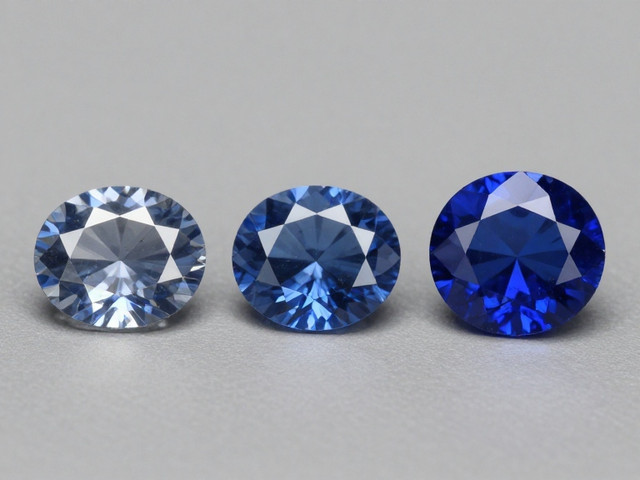
How Much Is a 1-Carat Gemstone Worth?
No single price exists for a 1-carat gemstone. It depends on the species, quality, treatment, rarity and market. A 1-carat blue topaz and a 1-carat fine sapphire sit in different price worlds.
I do not publish a universal range. A figure without a source, a date and a quality description would only mislead you. Build your own comparison table with at least five similar stones.
| Gemstone and variety | Quality notes | Treatment | Source and date | Asking or sold | Price per carat |
|---|---|---|---|---|---|
| Example only: Gem A | Good color, eye-clean | Heated, disclosed | Seller listing, [date] | Asking | [hypothetical] |
| Your stone 1 | |||||
| Your stone 2 |
Mark each price as asking or sold. They are not the same thing.
How Can You Tell Whether a Gemstone Is Overpriced?
Compare it with similar stones, check the treatment and report, and separate retail prices from wholesale, auction and resale prices. If the seller cannot explain the price, treat that as a warning.
- Compare the same gem and quality. Do not compare a pale stone to a vivid one.
- Check weight and cut. Make sure the stones are comparable.
- Review treatment and report. A treated stone should cost less than an untreated one that looks the same.
- Separate price types. Retail, wholesale, auction and resale values differ a lot.
- Read the return policy. A fair seller lets you verify the stone.
- Get an independent check for a large purchase.
Buyer Checklist
- Name the gem and variety.
- Ask if it is natural, lab-grown or treated.
- Get the carat weight and dimensions.
- Ask for a laboratory report if the price is high.
- Collect at least three comparable prices.
- Note whether each price is asking or sold.
- Read the return policy.
- Walk away from anyone who promises a profit.
A Common Buyer Mistake
Beginners often choose by color and decide quickly. Experienced buyers check clarity, origin, treatment, hardness and documents before they talk price. Color helps, but it never replaces a report.
Can You Estimate Gemstone Value Without a Certificate?
Yes, you can make a rough estimate. But you will be less certain about identity, treatment and origin, and those can change a price a lot. Keep four things separate:
- A seller’s description: the seller’s own words, not independent.
- A gem identification report: a lab states what the stone is, and often whether it is natural or treated.
- An appraisal: a professional’s written value, usually for insurance or sale.
- A market-price estimate: an informed guess from similar stones.
A report does not set a price. It tells you what the stone is. I would not quote a value without examining the stone and reading its grading report. A photo is never enough.
How Can a Gemstone Price Calculator Help You Estimate Value?
A calculator turns your inputs into an estimated range. It is a quick first check before you compare real listings. The KnowYourGem gemstone price calculator is one such tool.
What to Prepare:
Have these ready: gemstone type, color quality, clarity grade, geographic origin, treatment status and carat weight. The calculator covers ruby, sapphire, emerald, diamond, alexandrite, tanzanite and yellow quartz. It applies set multipliers to each choice. It does not read live market data, and it does not test your stone.
How to Read the Result:
The result is an estimated value with a low-to-high range. Treat it as a starting point, then compare it with real listings. It is only as good as your inputs. If you pick “vivid” for a fair stone, the estimate will be too high.
More reading: our guides on sapphire and colored diamond grading.
Frequently Asked Questions About Gemstone Pricing:
What Is the Easiest Way to Estimate Gemstone Value?
Identify the stone, grade its color and clarity, note its weight and treatment, then compare prices for similar stones. A calculator gives a quick first estimate. A laboratory report matters most for expensive gems.
Is Gemstone Price Per Carat the Same for Every Gemstone?
No. Rates vary by species, quality, size, treatment and market. A carat of quartz and a carat of fine sapphire are priced very differently.
Can Two Gemstones With the Same Carat Weight Have Different Prices?
Yes. Color, clarity, cut, identity, treatment and rarity all change the price. Weight is only one factor.
Does a Natural Gemstone Always Cost More Than a Laboratory-Grown Stone?
Not always. The two have different market dynamics. Often the natural stone costs more, but it depends on the gem and quality. Ask the seller to state which one you are buying.
Is an Online Gemstone Price Calculator Accurate?
It depends on its method and your inputs. A calculator gives an indicative range, not a guaranteed price. Compare the result with real listings.
Is Gemstone Resale Value the Same as Retail Value?
No. Retail asking prices, trade prices and real resale proceeds can differ a lot. A dealer buying from you will usually pay less than a retail price.